(800) 210-7017
PRP for hair uses your own blood, drawn and spun down into a concentrated platelet layer that’s injected back into the scalp to wake up follicles that are thinning but not yet gone. A single visit follows a tight, repeatable arc, but the real work happens across a series of sessions, not one. If you’re picturing a quick fix, reset that now: this is a course you commit to, and the results track with how faithfully you finish it.
A standard PRP course runs three to four induction sessions spaced four to six weeks apart, followed by maintenance every four to six months, and works only on follicles that are still alive.
The whole visit is choreographed around one hard limit: PRP has to be used fresh, so every step is timed to shrink the gap between the spin and the injection. Skip the baseline photos at the start and you’ve got nothing fair to measure regrowth against months later, which is the mistake that quietly sinks a lot of patients’ confidence in the treatment.
The platelet-rich layer must be drawn into syringes and injected without delay, because the steps are sequenced specifically to keep platelets viable between processing and delivery.
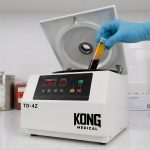
This is the step that turns an ordinary blood draw into something therapeutic, and how the sample is spun decides how potent you walk out with. The blood goes into tubes with an anticoagulant to stop it clotting, then spins down into three layers, and the choice between one spin and two is where volume gets traded for strength.
| Criteria | Single (soft) spin | Double spin |
|---|---|---|
| Spin force | Lower | Higher second pass |
| Platelet yield | More volume, modest concentration | Less volume, richer concentrate |
| Operator control | Less | Discards platelet-poor plasma to hit target |
| Best for | Speed and simplicity | Reaching the 3x to 7x window |
Most hair protocols target a platelet concentration of three to seven times baseline, since too little underdelivers growth factors and extremely high concentrations can paradoxically blunt the response.
Scalp prep is a balancing act between keeping you comfortable and keeping the field clean, because every needle pass is a door for skin bacteria. Most of the comfort comes from a numbing cream that needs time to work, which is exactly why your blood draw and spin are timed to overlap the wait.
Cleansing with an antiseptic such as chlorhexidine or alcohol before injection is essential because each needle pass is a potential entry point for skin flora.
Depth is everything here. Go too shallow and the product blebs up and disperses; go too deep and it lands in fat below the follicles where it does nothing, so the placement plane is chosen on purpose, not by feel. The injection pattern also bends to your anatomy, since thin skin at the hairline behaves nothing like the more forgiving crown.
PRP is placed in the dermal-to-subdermal plane at roughly 1.5 to 3 millimeters, in a grid spaced about one centimeter apart with 0.05 to 0.1 milliliter per point, so growth factors land near the follicular stem cells.
PRP is a maintenance therapy, not a cure, and the calendar reflects how follicles actually respond to being prodded over time. A single dose of growth factors fades long before a follicle finishes its multi-month cycle, so the schedule exists to keep that signal alive across cycle after cycle. Stop entirely and the gains slowly walk back, because the genetic or hormonal driver of your loss was never removed.
Results are not permanent, so when treatment stops the gains gradually regress over the following months as follicles lose the recurring stimulus.
Compared to most cosmetic procedures, a PRP visit is short and predictable, which is half its appeal as a lunchtime-style treatment. The full appointment runs 60 to 90 minutes door to door, but the active part is a thin slice of that, and the worst you’ll feel is brief pinches the numbing cream takes the edge off.
Downtime is minimal, with most patients cleared to drive home and return to work the same day, and any redness or soreness settling within 24 to 48 hours.
The first day or two is when the injection channels are still open and the platelets are doing their early signaling, so leaving the scalp alone isn’t fussiness, it’s protecting the work. The trickiest part is the medication list, because the everyday painkillers you’d reach for can quietly cancel out the very response PRP depends on.
Anti-inflammatory drugs like ibuprofen, aspirin, and other NSAIDs are discouraged for several days around treatment because they can blunt the very inflammatory cascade PRP relies on.
Candidacy comes down to one biological fact: PRP can only revive follicles that still exist and can still grow, so it treats thinning, not baldness. The consultation does double duty here, screening you in or out while resetting expectations, because stimulating empty or scarred tissue produces exactly nothing.
PRP works best for early-to-moderate androgenetic thinning with viable follicles and is poorly suited to fully bald or scarred regions, which contain no follicles to revive.
Because PRP isn’t a standardized drug but a preparation that shifts from clinic to clinic, the protocol itself is where success or failure gets decided, and most disappointing results trace back to one of a few levers. Some of those levers are yours to pull, like actually finishing the schedule, and judging the therapy after one or two visits nearly guarantees you’ll call it a failure.
Final platelet concentration is the most influential variable, and concentrations that are too dilute fail to move follicles while extremely high ones offer no extra benefit and may suppress the response.